Packing Paper Vs Peanuts: Which is Better from China Manufacturers?
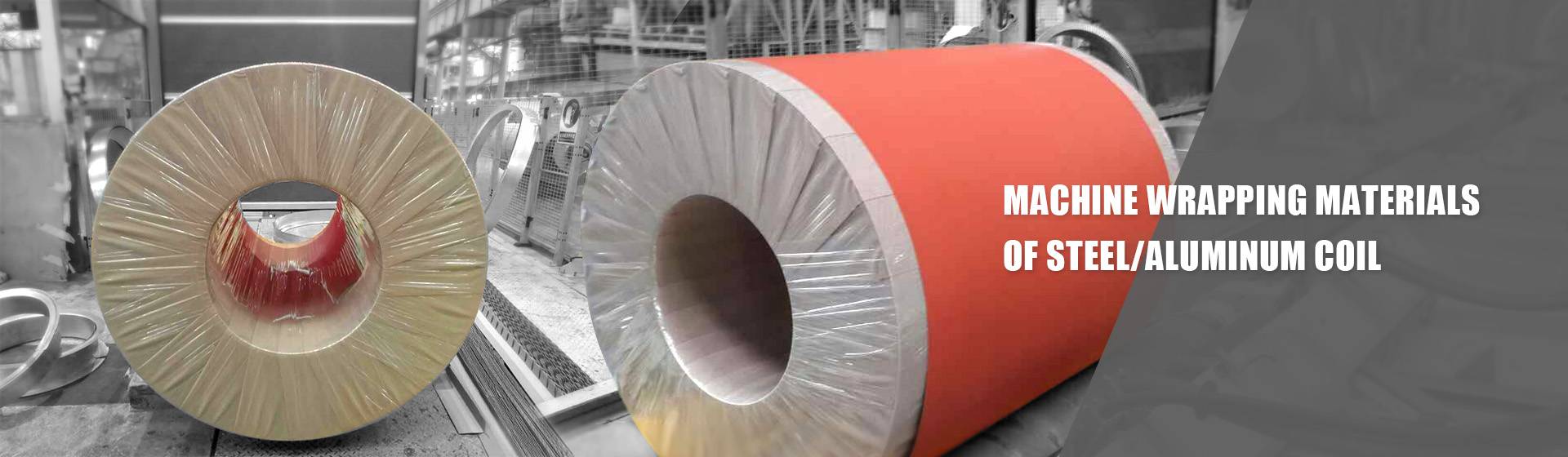
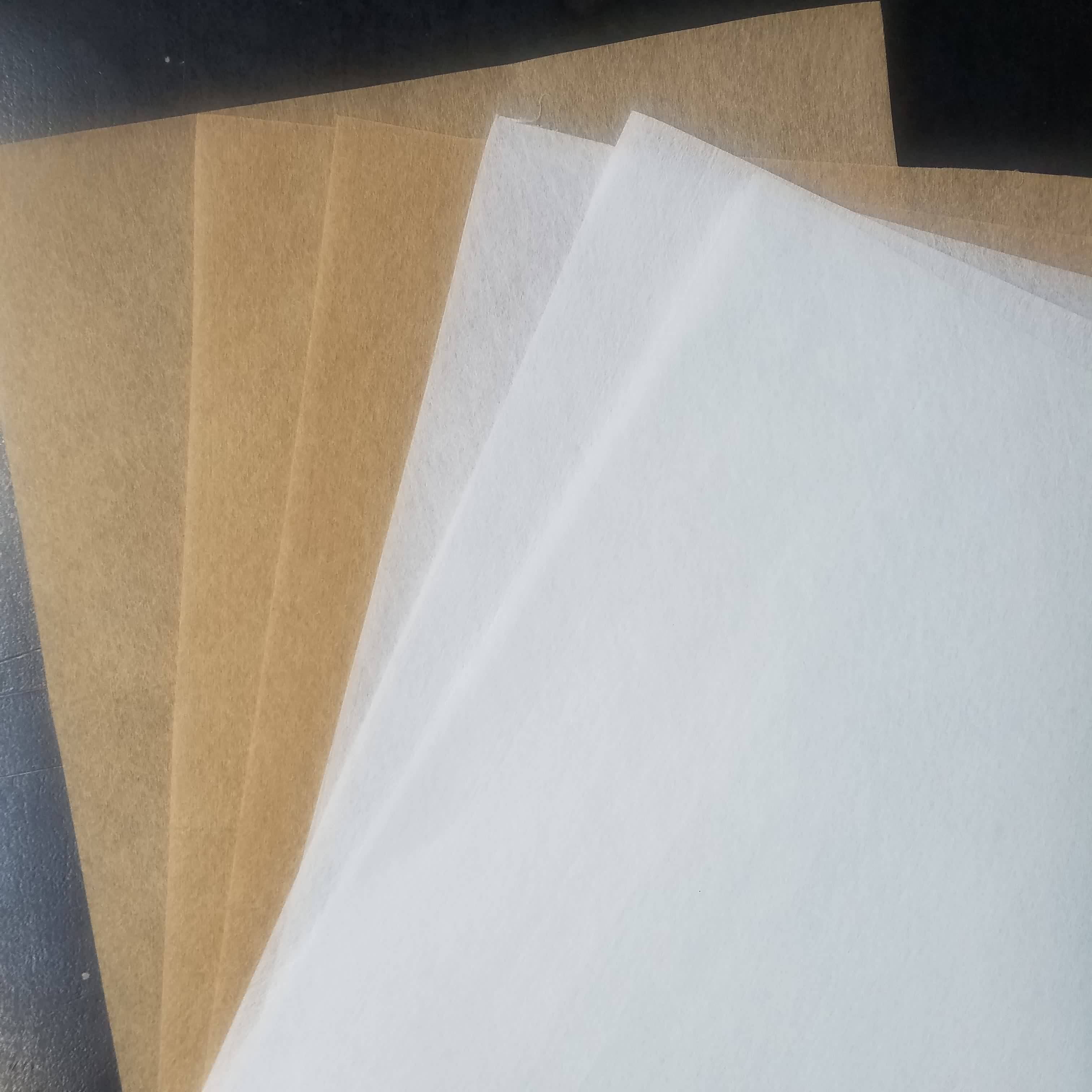
When it comes to choosing the best packaging material for your products, I often find myself caught in the debate between packing paper and packing peanuts. Both have their unique advantages, but understanding your specific needs can make all the difference. As a manufacturer in China, I know how crucial it is to provide reliable protection for your goods during transit. Packing paper offers an eco-friendly option, perfect for wrapping fragile items while being kinder to the planet. On the other hand, packing peanuts are lightweight and can fill voids in boxes, ensuring that your products stay secure. Depending on what I ship, I'll often switch between these materials to meet my needs. When sourcing packaging, consider not only protection but also how each option aligns with your brand values. I’m always here to help fellow businesses make the right choice that enhances both safety and sustainability in their operations.

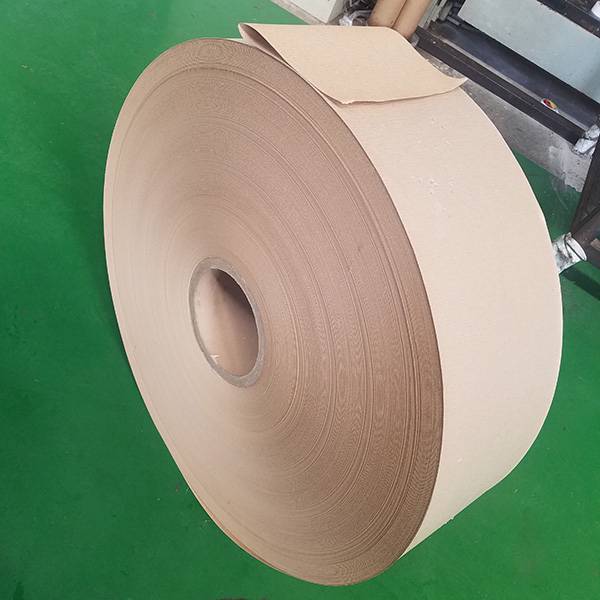
Packing Paper Vs Peanuts Leads the Global Market Factory-Direct Excellence
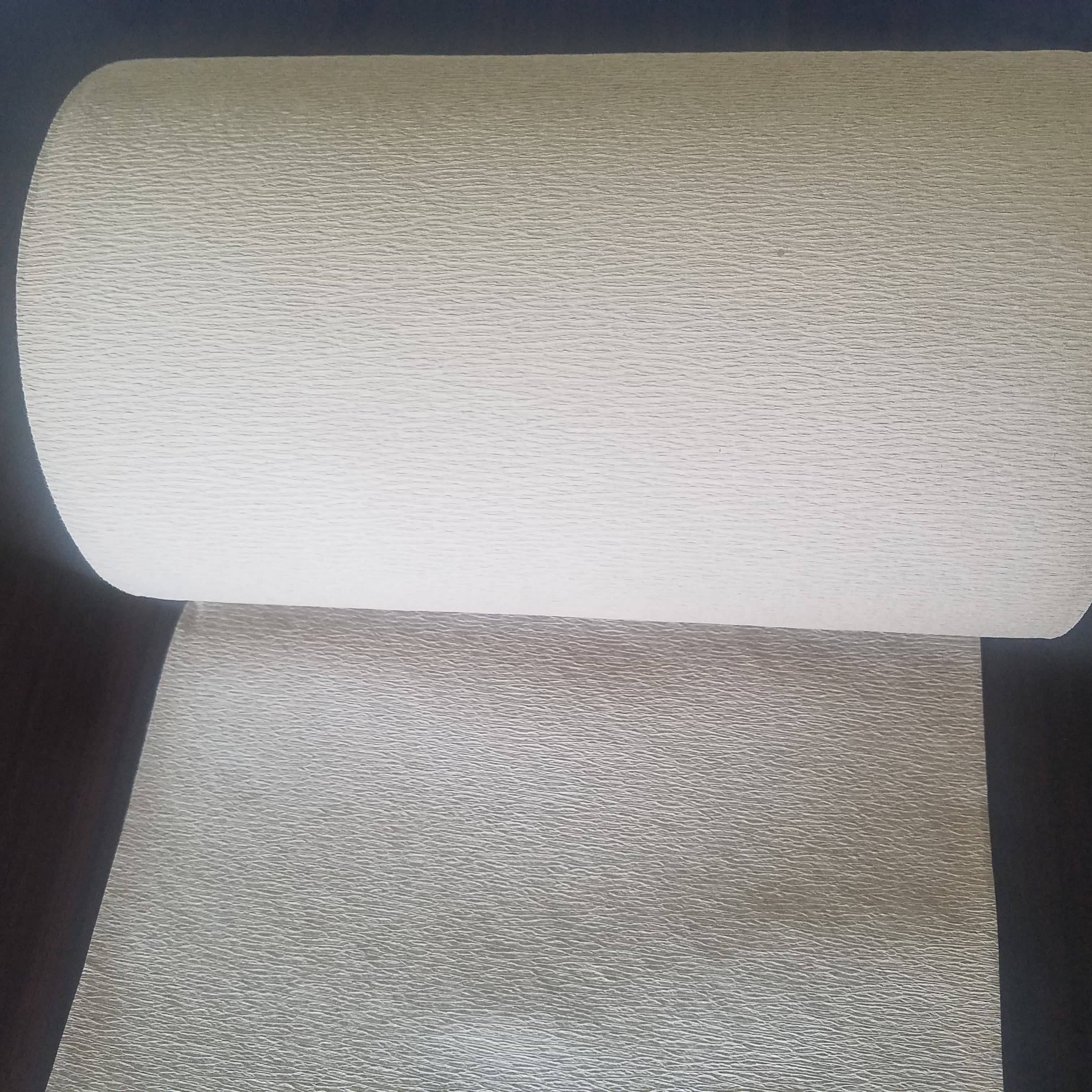
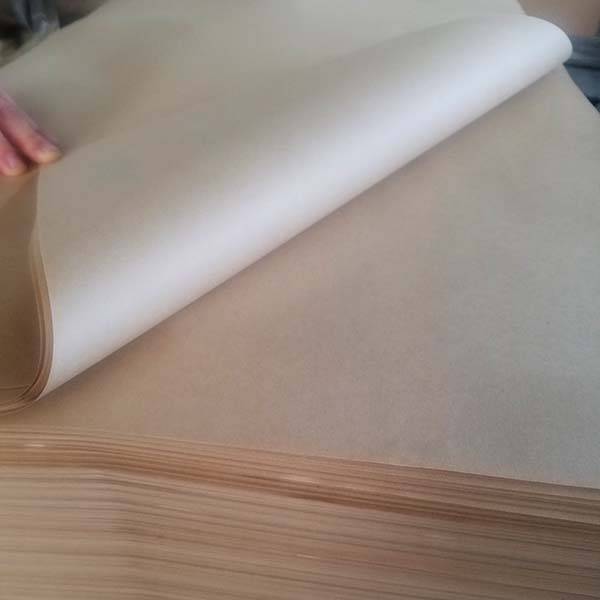
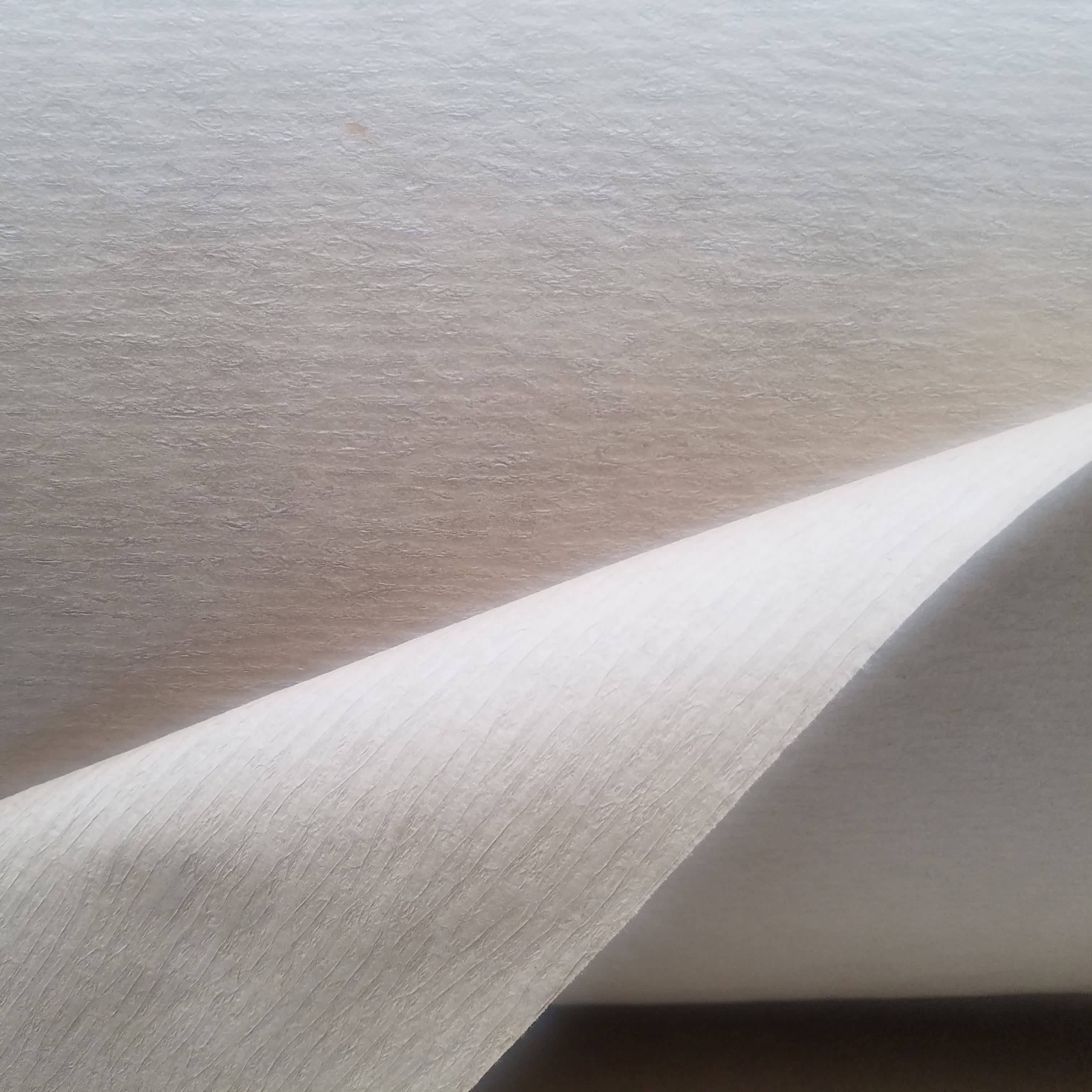
In the ever-evolving landscape of packaging materials, a critical decision for global buyers is choosing between packing paper and packing peanuts. Both options have distinct advantages that cater to different shipping needs, and understanding these nuances can lead to more efficient and eco-friendly packaging solutions. Packing paper, known for its versatility, is not only biodegradable but also provides a robust cushioning effect when layered correctly. Its adaptability makes it suitable for a wide range of products, from fragile items to bulk shipments. On the other hand, packing peanuts, often made from expanded polystyrene or biodegradable materials, offer lightweight protection that can reduce shipping costs. They conform to the shape of the items being packed, ensuring stability during transit. However, concerns over environmental impact have led many buyers to seek more sustainable alternatives, driving innovation in the production of biodegradable packing peanuts. Deciding between packing paper and peanuts often hinges on specific requirements such as product type, shipping distance, and environmental considerations. Buyers must weigh the importance of cost-effectiveness against sustainability goals. By selecting the right packing material, businesses can enhance their shipping operations while minimizing environmental footprints. Embracing these packaging innovations can ultimately lead to greater customer satisfaction and a competitive edge in the global market.
Packing Paper Vs Peanuts Leads the Global Market Factory-Direct Excellence
| Material Type | Usage (in kg) | Market Share (%) | Environmental Impact |
|---|---|---|---|
| Packing Paper | 5000 | 60 | Biodegradable |
| Packing Peanuts | 3000 | 40 | Recyclable |
| Foam Peanuts | 2500 | 20 | Non-Biodegradable |
| Biodegradable Peanuts | 4000 | 30 | Fast-decomposing |
Related Products
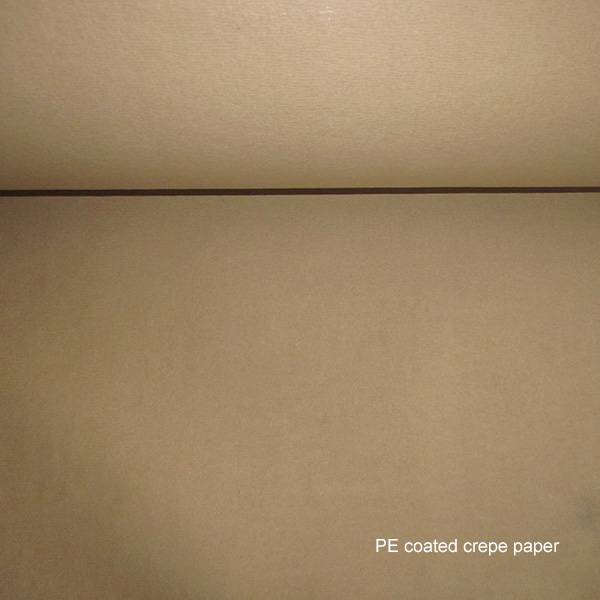
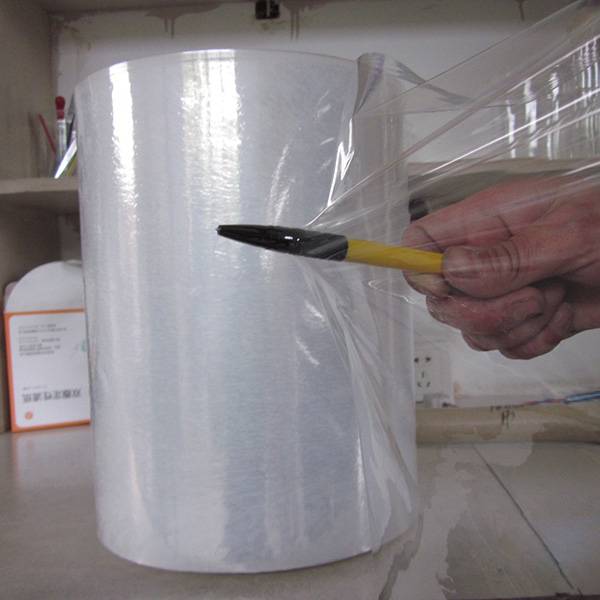
Packing Paper Vs Peanuts Service Outperforms the Competition
Top Selling Products
- Related Blog
- Reviews
