Stretch Film Cast vs Blown: Which to Choose from Trusted Suppliers?
When considering whether to invest in stretch film cast vs blown, I've learned that each type has its unique advantages that can impact your packaging decisions. Cast stretch film is clear, easy to handle, and provides excellent stretchability, making it a favorite for wrapping products securely. On the other hand, blown stretch film is more robust and offers superior puncture resistance, ideal for heavier loads. As a buyer, it’s crucial to weigh your options depending on your specific needs. I often recommend evaluating the supplier’s reputation—having reliable partners can make all the difference in quality and service. You’ll find that choosing the right film can enhance efficiency in your operations while protecting your products. Whether you are looking to buy in bulk or just need samples for testing, understanding these differences will guide your purchasing decisions. Let’s ensure you get the best fit for your packaging needs!


Stretch Film Cast Vs Blown Manufacturer Industry Giant
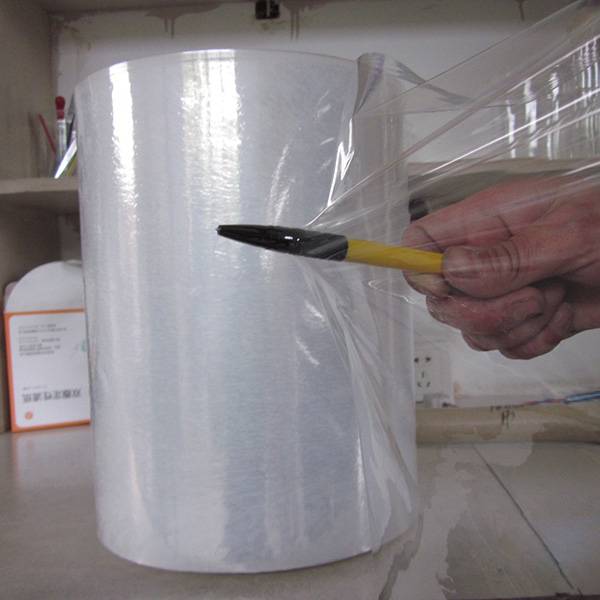
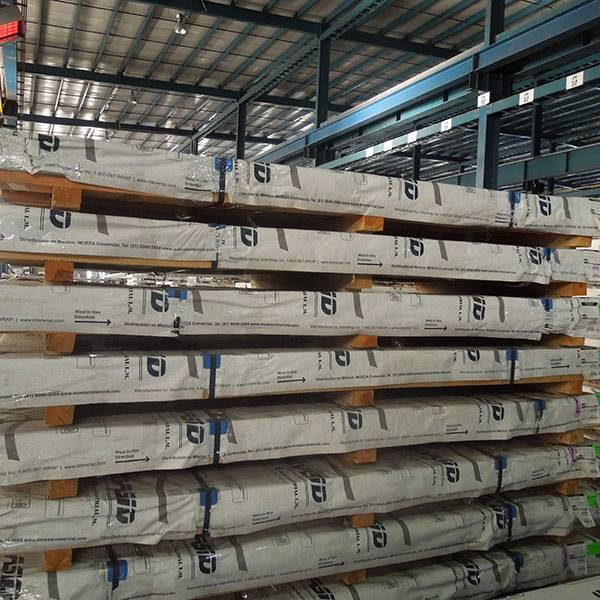
When it comes to stretch film manufacturing, two dominant processes stand out: cast and blown film production. Each method has unique characteristics that affect the quality, performance, and application of the final product. Cast film is known for its clarity, uniform thickness, and excellent hold performance, making it ideal for applications requiring high visibility and tear resistance. On the other hand, blown film offers superior stretchability and puncture resistance, making it a strong choice for heavy-duty packaging needs. In the competitive landscape of the packaging industry, choosing between cast and blown film often depends on the specific needs of the application. For global buyers, understanding the strengths of each method can lead to more informed purchasing decisions. Cast films are often preferred in sectors like retail and food packaging, where aesthetics and performance are crucial, while blown films are frequently utilized in industrial settings where strength and durability are paramount. As the demand for high-quality stretch films grows, manufacturers are constantly innovating to enhance their production methods. This constant evolution ensures that buyers have access to materials that not only meet but exceed industry standards. By remaining aware of the differences between cast and blown films, global purchasers can better navigate their options, ensuring they select the best products that align with their packaging requirements and overall business goals.
Stretch Film Cast Vs Blown Manufacturer Industry Giant
| Dimension | Cast Film | Blown Film |
|---|---|---|
| Thickness (µm) | 10-50 | 15-100 |
| Clarity | High | Moderate |
| Tensile Strength (MPa) | 30-50 | 20-40 |
| Elasticity (%) | 200 | 300 |
| Processing Speed | High | Moderate |
| Cost Efficiency | Low | High |
Related Products


Stretch Film Cast Vs Blown Manufacturer Leads the Global Market
Top Selling Products
- Related Blog
- Reviews
