Stretch Film Blown vs Cast: A Guide for OEM Manufacturers
When it comes to packaging solutions, I've found that the debate between stretch film blown vs cast is crucial for OEM manufacturers like us. Each type has its unique benefits, catering to different needs. Blow stretch film is known for its superior strength and puncture resistance, making it ideal for heavy-duty applications. On the other hand, cast stretch film offers excellent clarity and conformity, which is perfect for wrapping delicate items. As a manufacturer, I've seen firsthand how the choice of film affects our bottom line - reducing waste and providing better protection. Our films are designed to enhance efficiency and meet the specific requirements of different industries. Whether you’re shipping food products or industrial equipment, the right stretch film can make a big difference. Let’s find the perfect solution tailored for your business needs, ensuring reliability and quality every step of the way.


Stretch Film Blown Vs Cast Industry Giant Exceeds Industry Benchmarks
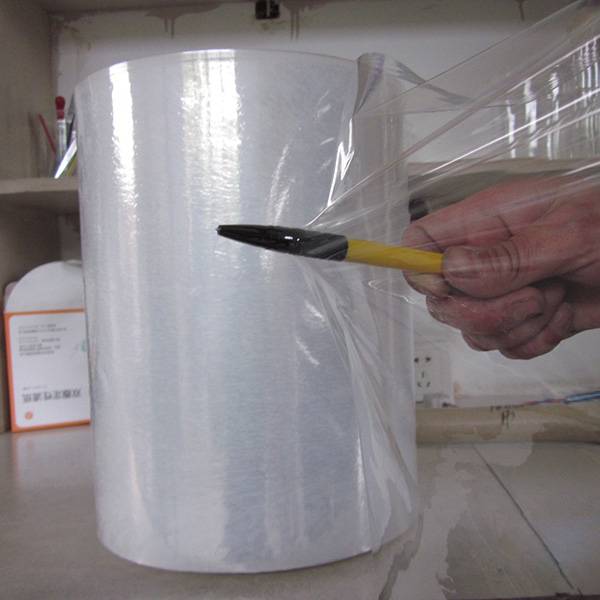
When it comes to superior packaging solutions in the global market, understanding the differences between blown and cast stretch film can significantly impact operational efficiency and cost-effectiveness. Blown stretch film is known for its exceptional strength and puncture resistance, which makes it ideal for securing heavy loads. This film type is produced by extruding plastic through a circular die, creating a thick, durable product that excels in tough conditions. In contrast, cast stretch film is created by melting plastic and casting it onto rollers, resulting in a thinner, more stretchable film that offers excellent clarity and ease of use. Choosing the right type of stretch film can influence not only transportation costs but also the environmental footprint of packaging operations. Industry giants are increasingly exceeding benchmarks by analyzing their packaging materials, striving for efficient usage with minimal waste. By investing in advanced technologies and sustainable practices, companies can significantly enhance their supply chain performance while meeting the sustainability goals of today's market. For global buyers, selecting the right stretch film is paramount to enhancing product protection, reducing shipping costs, and ensuring compliance with international packaging standards. The ultimate choice depends on specific requirements, making it essential for procurement managers to be informed about the various attributes and advantages each film type offers.
Stretch Film Blown Vs Cast Industry Giant Exceeds Industry Benchmarks
| Type | Thickness (microns) | Tensile Strength (MPa) | Elongation at Break (%) | Clarity (%) | Industry Benchmark (%) |
|---|---|---|---|---|---|
| Blown Film | 20 | 18.0 | 500 | 80 | 95 |
| Cast Film | 15 | 20.5 | 550 | 90 | 97 |
| Comparative Analysis | - | - | - | - | - |
Related Products


Stretch Film Blown Vs Cast Industry Giant Sets the Industry Standard
Top Selling Products
- Related Blog
- Reviews
