Kraft Paper Vs Foil Faced Insulation: A Guide from China Manufacturers
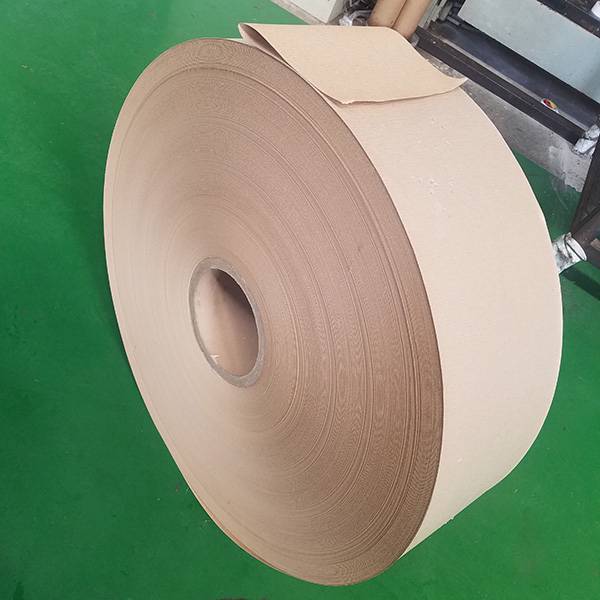
When it comes to choosing the right insulation, I often find myself weighing the pros and cons of Kraft Paper vs Foil Faced Insulation. Both options have their unique benefits, but what really caught my attention is how they perform in different environments, particularly for construction in China. As a manufacturer, I understand that many buyers are interested in cost-effectiveness while not sacrificing quality. Kraft paper insulation is great for moisture control and cost efficiency, making it a popular choice for various applications. On the other hand, foil-faced insulation provides superior reflective properties, which can significantly reduce energy costs. By selecting the right type, you can enhance the energy efficiency of your buildings. I’m confident that whether you go for Kraft paper or foil faced options, there’s a solution to meet your needs. Let’s connect to explore how we can support your insulation projects with top-notch products tailored for the Chinese market.

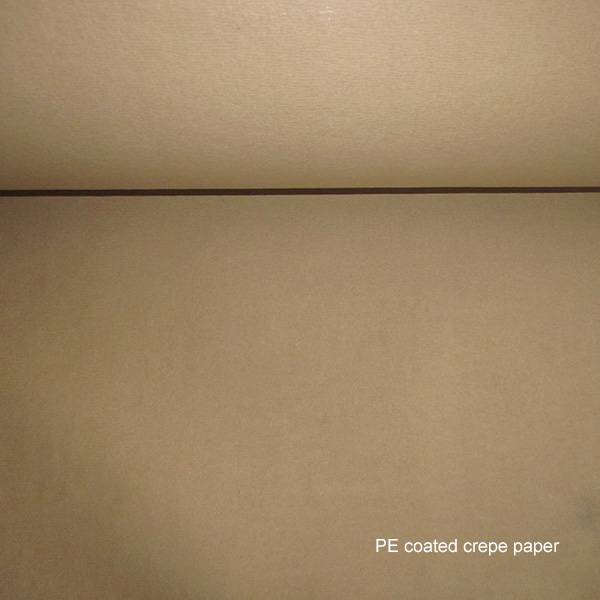
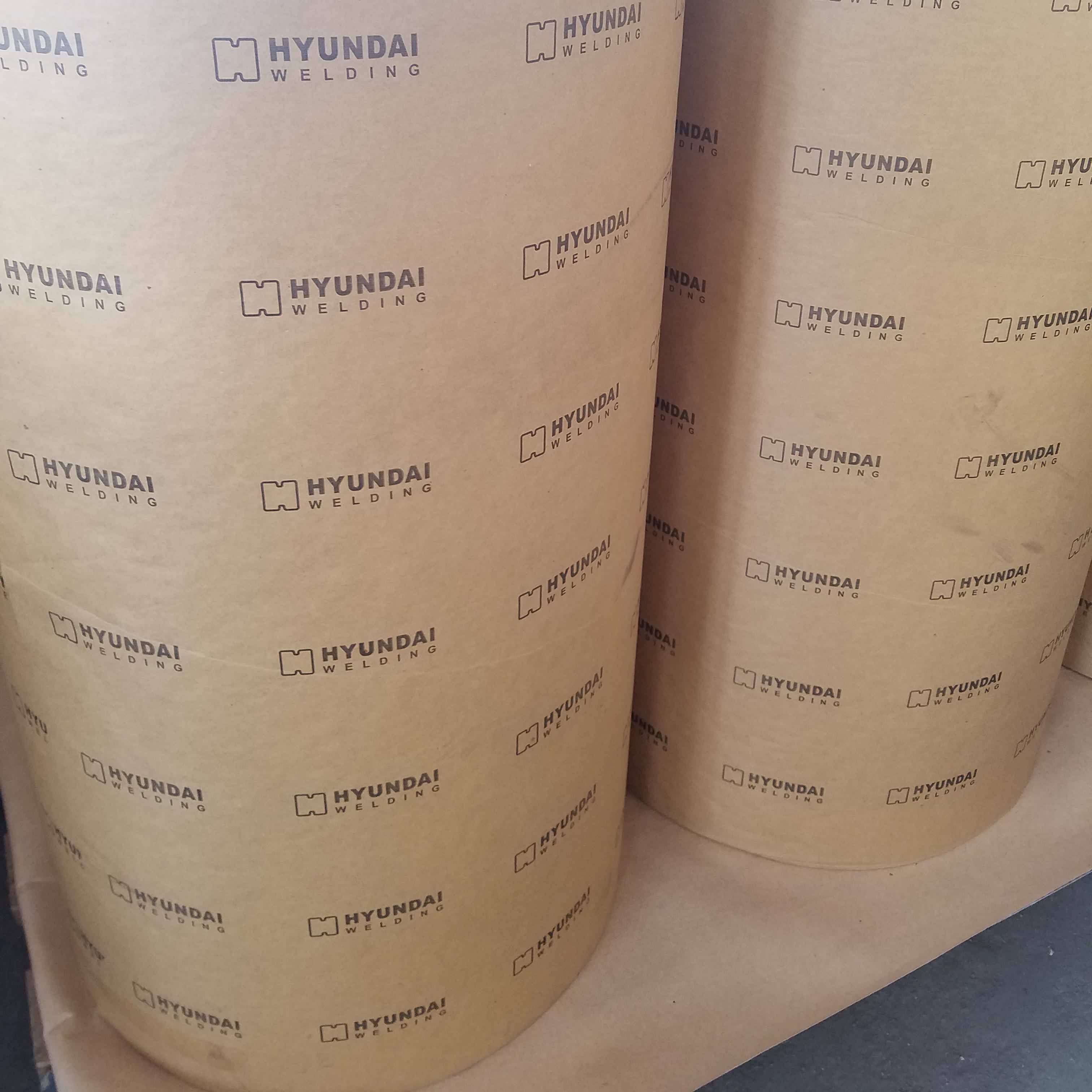
Kraft Paper Vs Foil Faced Insulation Now Trending Guarantees Peak Performance
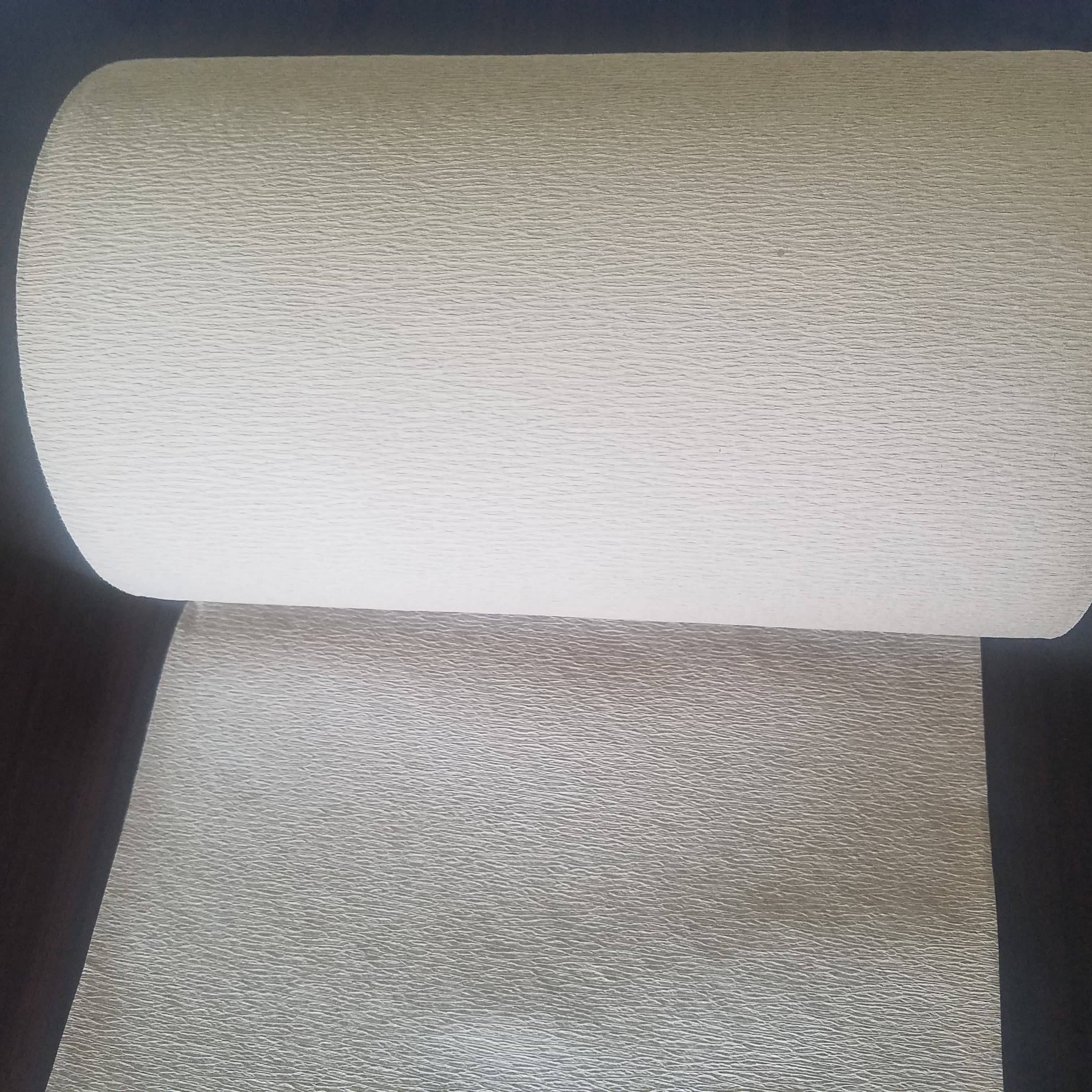
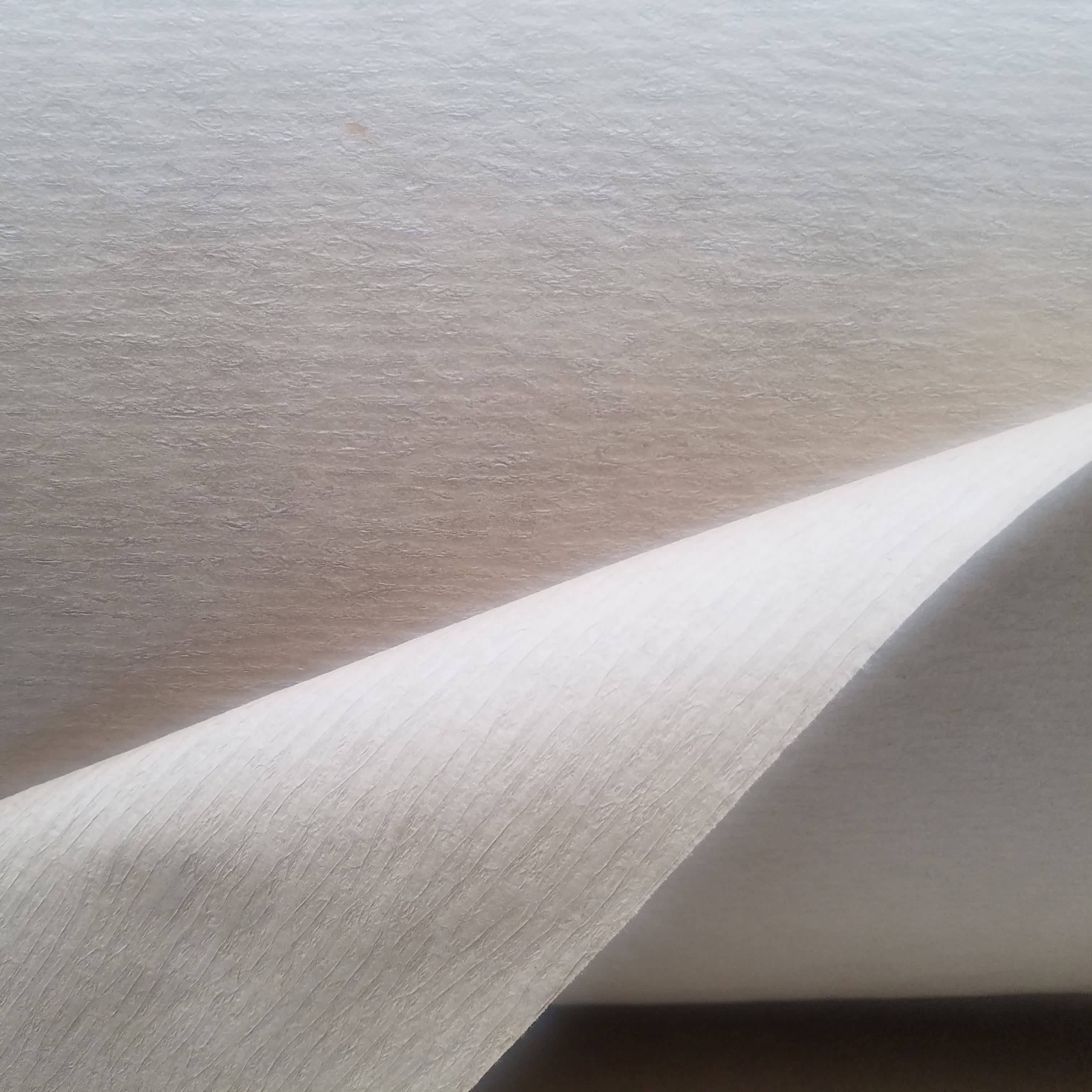
When it comes to insulation materials, the choice between kraft paper and foil-faced options can significantly impact energy efficiency and overall performance. Both materials have unique properties that cater to different needs in construction and packaging industries. Kraft paper insulation is known for its excellent breathability and soundproofing characteristics, making it an ideal choice for residential buildings where comfort is paramount. On the other hand, foil-faced insulation reflects radiant heat, offering superior thermal resistance, which can be crucial in extreme climates or in settings where energy efficiency is a top priority. Recent trends in the industry show a growing preference for foil-faced insulation due to its ability to maintain optimal indoor temperatures, thus providing significant savings on heating and cooling costs. Additionally, the lightweight nature of foil-faced products makes them easier to handle and install. However, the sustainability aspect of kraft paper should not be overlooked. As consumers increasingly prioritize eco-friendly options, the recyclable nature of kraft paper appeals to environmentally conscious buyers. In conclusion, both kraft paper and foil-faced insulation have their strengths and can deliver peak performance in specific applications. Understanding the distinct benefits of each material will empower global purchasers to make informed decisions tailored to their projects, ensuring they achieve the highest standards of efficiency and sustainability. As insulation technology evolves, staying updated on these trends will be essential for optimizing building performance and reducing overall environmental impact.
Kraft Paper Vs Foil Faced Insulation Now Trending Guarantees Peak Performance
| Insulation Type | R-Value | Moisture Resistance | Soundproofing | Installation Ease | Environmental Impact |
|---|---|---|---|---|---|
| Kraft Paper Insulation | 3.5 - 4.2 | Moderate | Good | Fair | Sustainable |
| Foil Faced Insulation | 3.5 - 6.5 | High | Excellent | Easy | Recyclable |
| Fiberglass Insulation | 2.9 - 4.0 | Low | Good | Moderate | Non-renewable |
| Reflective Insulation | 4.0 - 8.0 | High | Fair | Easy | Recyclable |
Related Products
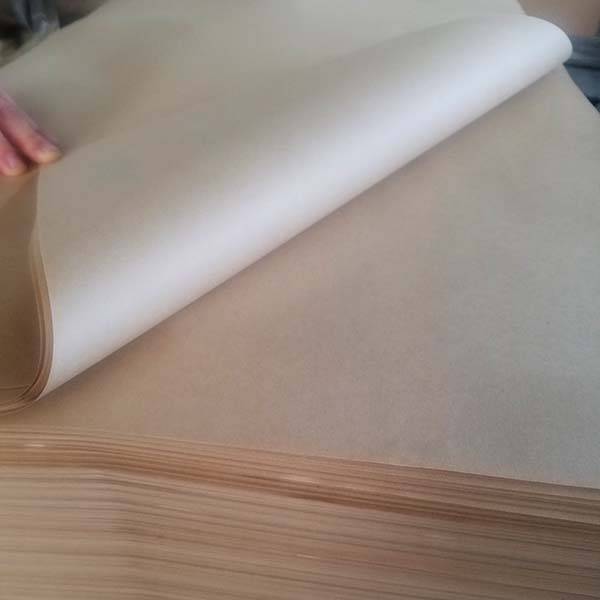
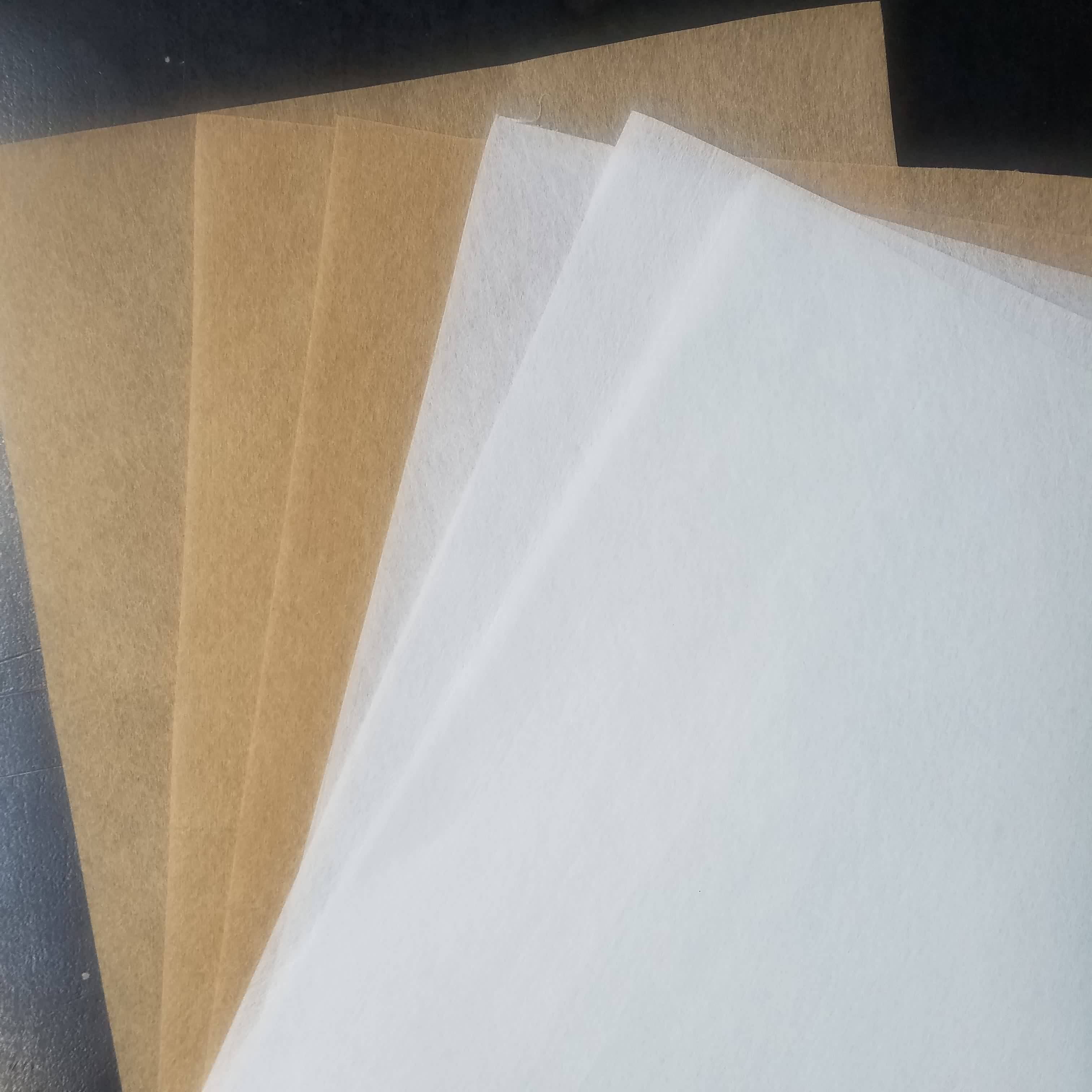
Kraft Paper Vs Foil Faced Insulation Products Dominates
Top Selling Products
- Related Blog
- Reviews
