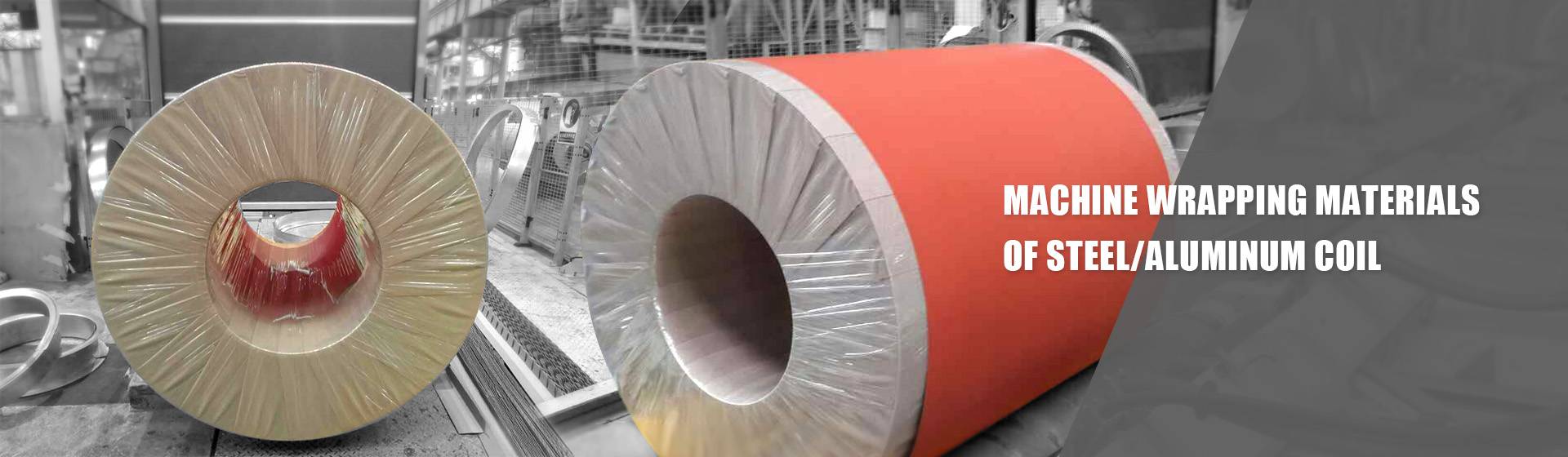
Kraft Paper Vs Bubble Wrap: Choosing the Right Packaging Manufacturer in China
When deciding between Kraft Paper vs Bubble Wrap, I often weigh factors like protection, cost, and sustainability. As a buyer, I appreciate that Kraft paper offers a sturdy, eco-friendly option for wrapping and cushioning products, making it ideal for businesses aiming to reduce their carbon footprint. On the other hand, Bubble wrap provides superior cushioning and shock absorption, perfect for fragile items in transit. Partnering with a trusted manufacturer in China not only ensures superior quality but also helps with cost efficiency. Both materials cater to different needs, and I find it essential to choose based on the specific requirements of my shipments. Whether I'm packaging electronics or delicate ceramics, understanding the strengths of Kraft Paper and Bubble Wrap helps me make the right choice for my business. Quality and reliability are key for me, and working with a reputable supplier in China guarantees that I get the best of both worlds.
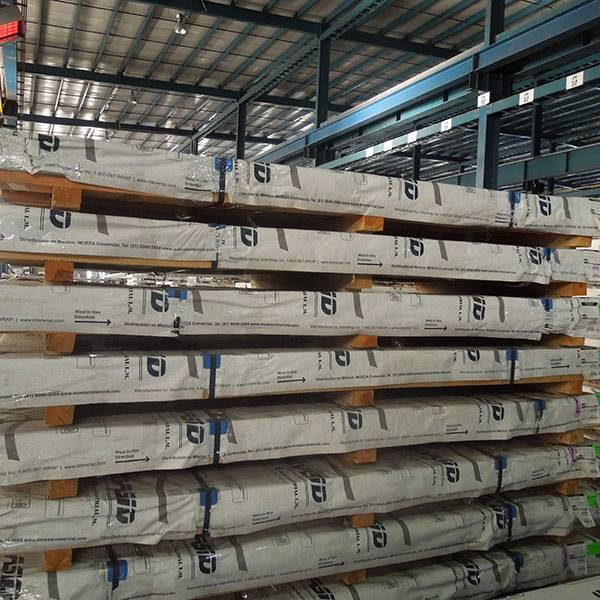
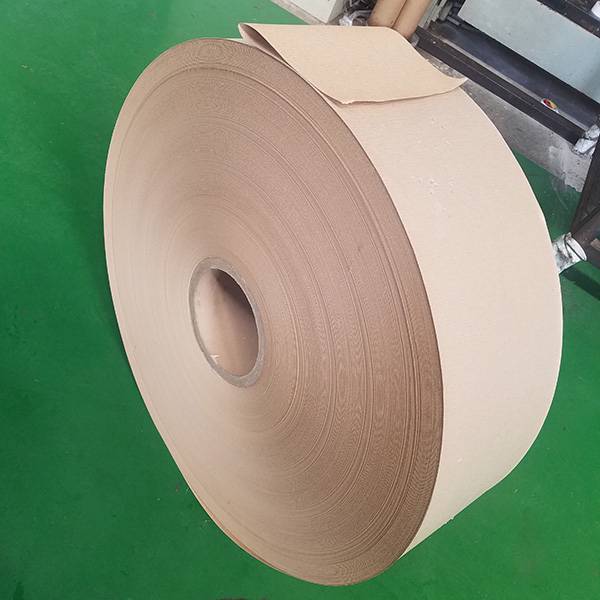

Kraft Paper Vs Bubble Wrap Winning in 2025 From Concept to Delivery
As we look ahead to 2025, the packaging industry is witnessing an evolving landscape characterized by an increasing demand for sustainable and effective packaging solutions. Two of the most prominent materials in this debate are Kraft paper and bubble wrap, each with its own unique set of benefits and challenges. Kraft paper, known for its biodegradable and recyclable properties, appeals to eco-conscious brands looking to minimize their environmental impact while still providing robust protection for their products. Its versatility allows for various applications, from wrapping fragile items to creating custom containers, making it a favored choice for businesses committed to sustainability. On the other hand, bubble wrap, with its air-filled cavities, offers exceptional cushioning and protection against shocks and impacts, ensuring delicate items reach their destination in pristine condition. Though often criticized for being less environmentally friendly, advancements in manufacturing processes have led to the development of recyclable bubble wrap alternatives, making it a viable option for businesses that prioritize product safety during shipping. As companies strive to balance environmental responsibility with product protection, the decision between Kraft paper and bubble wrap will play a pivotal role in shaping their packaging strategies. In conclusion, as global procurement trends lean towards sustainability, it is imperative for businesses to evaluate their packaging choices critically. While Kraft paper presents a clear advantage in terms of environmental impact, bubble wrap remains a key player due to its protective qualities. The future holds promising developments for both materials, with innovations aimed at enhancing functionality while reducing ecological footprints. Ultimately, the winning packaging solution by 2025 will be one that satisfies both the needs of the product and the expectations of increasingly environmentally conscious consumers.
Kraft Paper Vs Bubble Wrap Winning in 2025 From Concept to Delivery
| Packaging Material | Sustainability | Cost Efficiency | Protection Level | Weight | Usability |
|---|---|---|---|---|---|
| Kraft Paper | High | Cost-effective | Medium | Lightweight | Easy to handle |
| Bubble Wrap | Low | Variable | High | Moderate | Multi-purpose |
Related Products
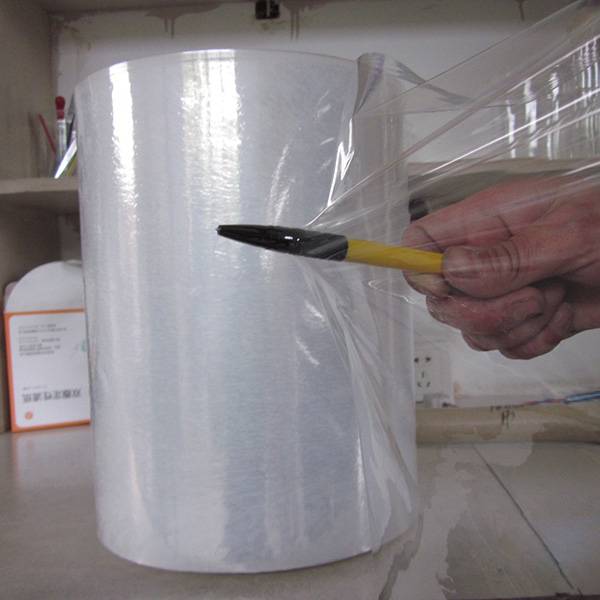
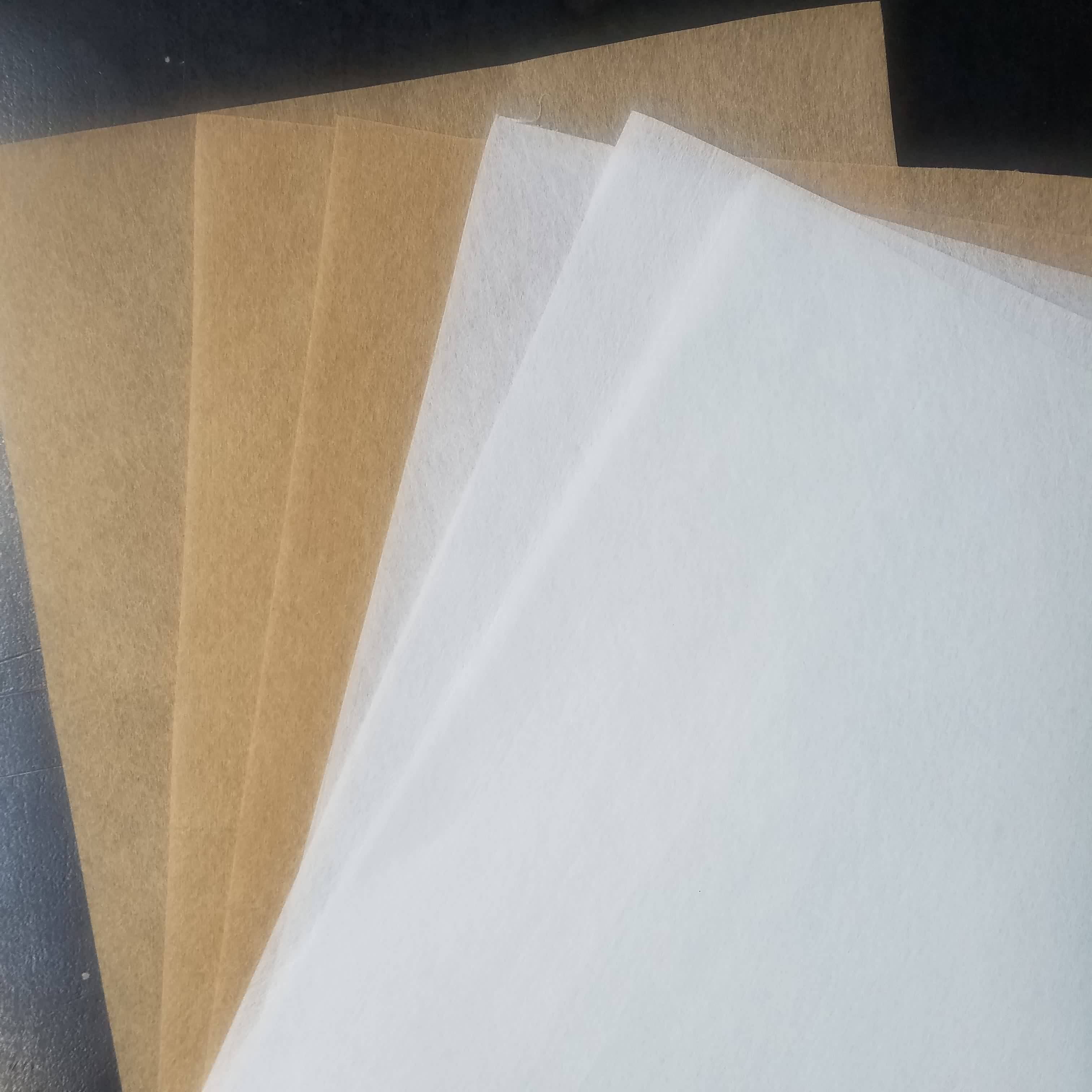
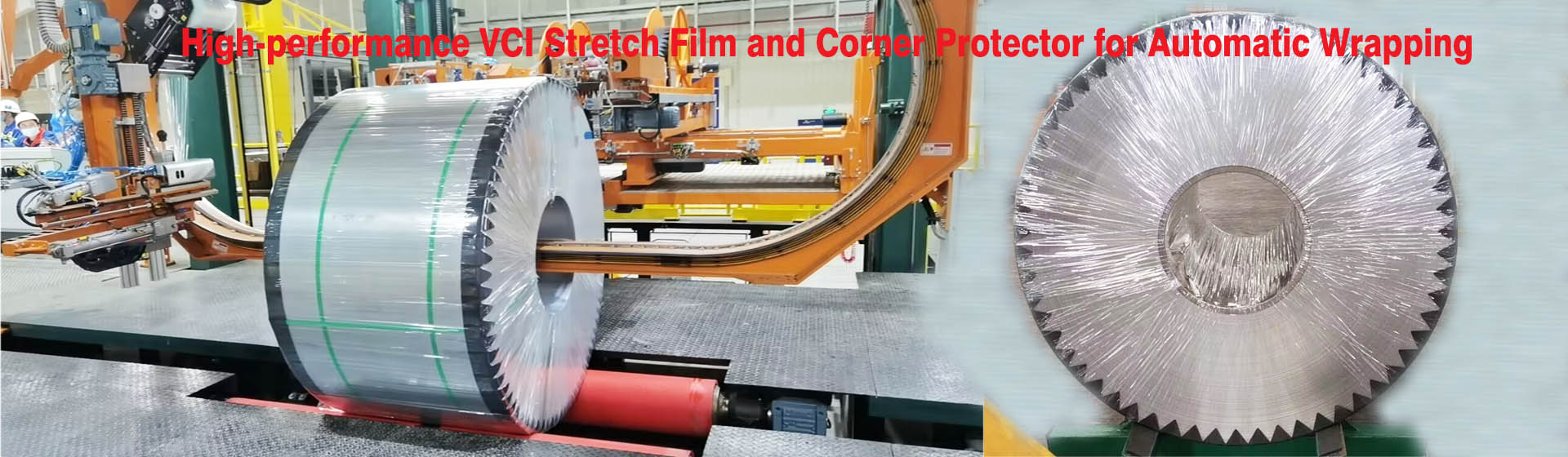
Kraft Paper Vs Bubble Wrap Supplier From Concept to Delivery
Top Selling Products
- Related Blog
- Reviews
