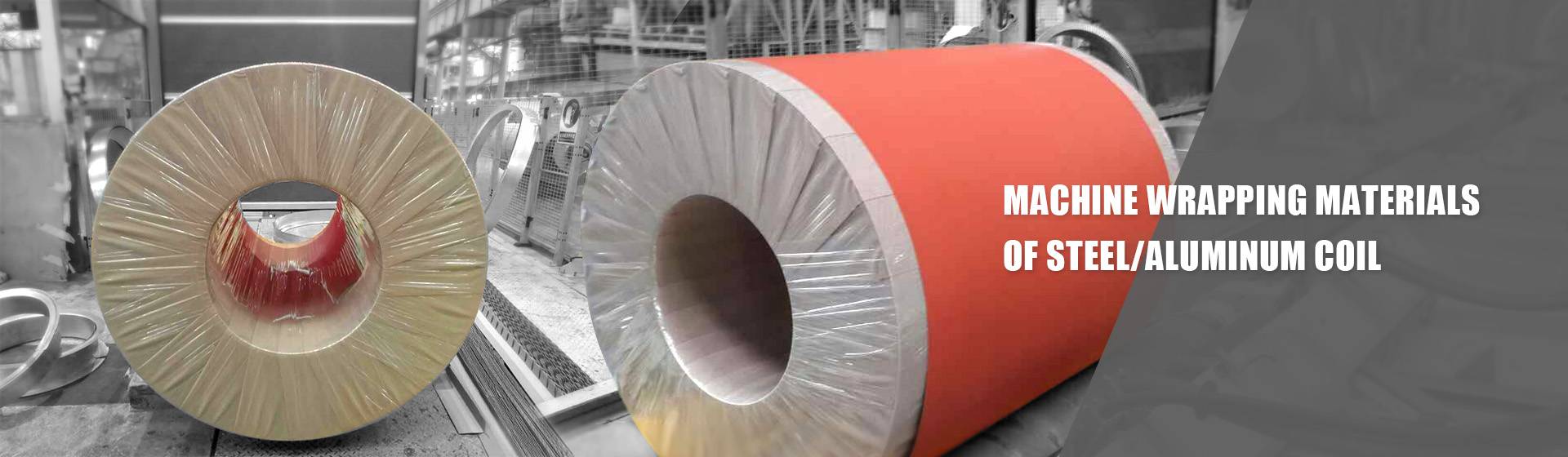
Kraft Paper Thermal Conductivity from Leading China Manufacturer
When it comes to Kraft Paper Thermal Conductivity, I've found that understanding the right specifications can make all the difference for my projects. Working with a reliable China manufacturer, I’ve realized how crucial it is to choose high-quality materials that not only meet industry standards but also enhance performance. This Kraft paper is designed specifically for thermal insulation applications, giving me the assurance I need in my production processes. It boasts excellent thermal conductivity characteristics that are unmatched, ensuring my products remain efficient and reliable. Plus, sourcing from a manufacturer in China means I get competitive pricing and consistent supply, which is a significant advantage in today’s fast-paced market. Choosing the right Kraft paper could directly impact your business performance, just like it did for mine. I highly recommend exploring this option for a better edge in your thermal management solutions.
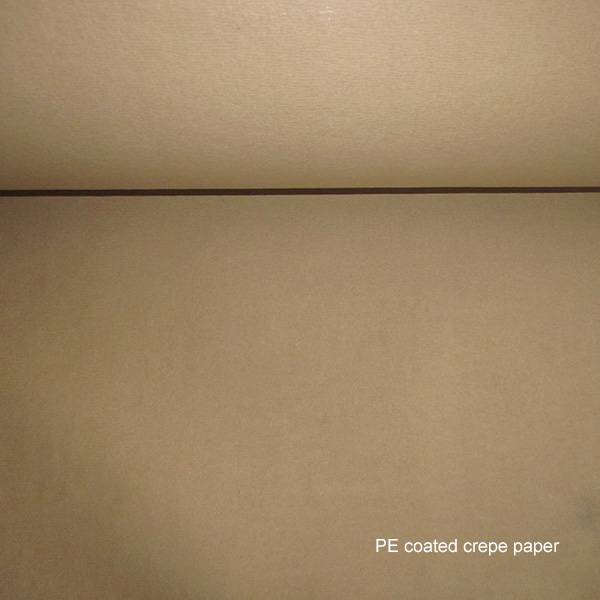
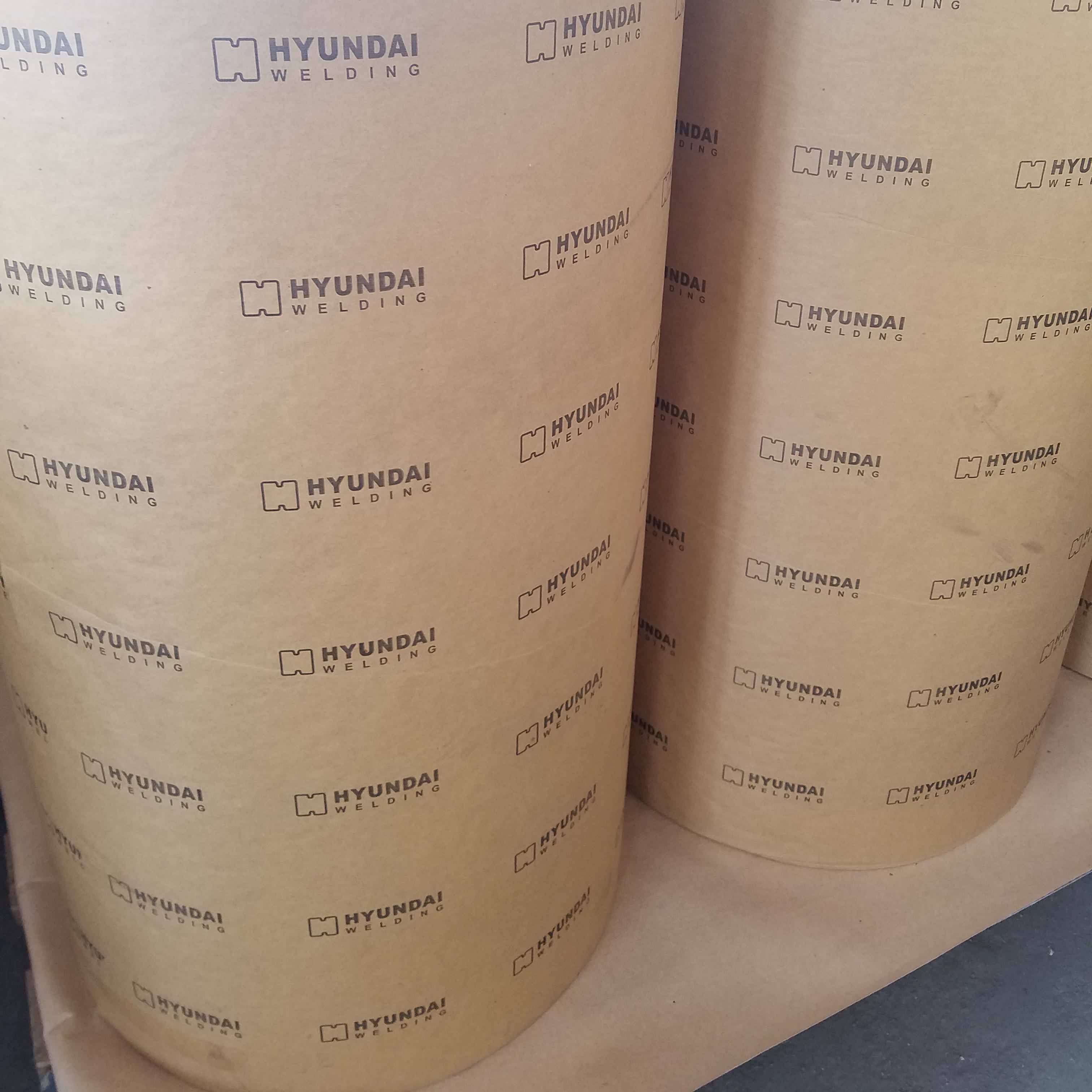

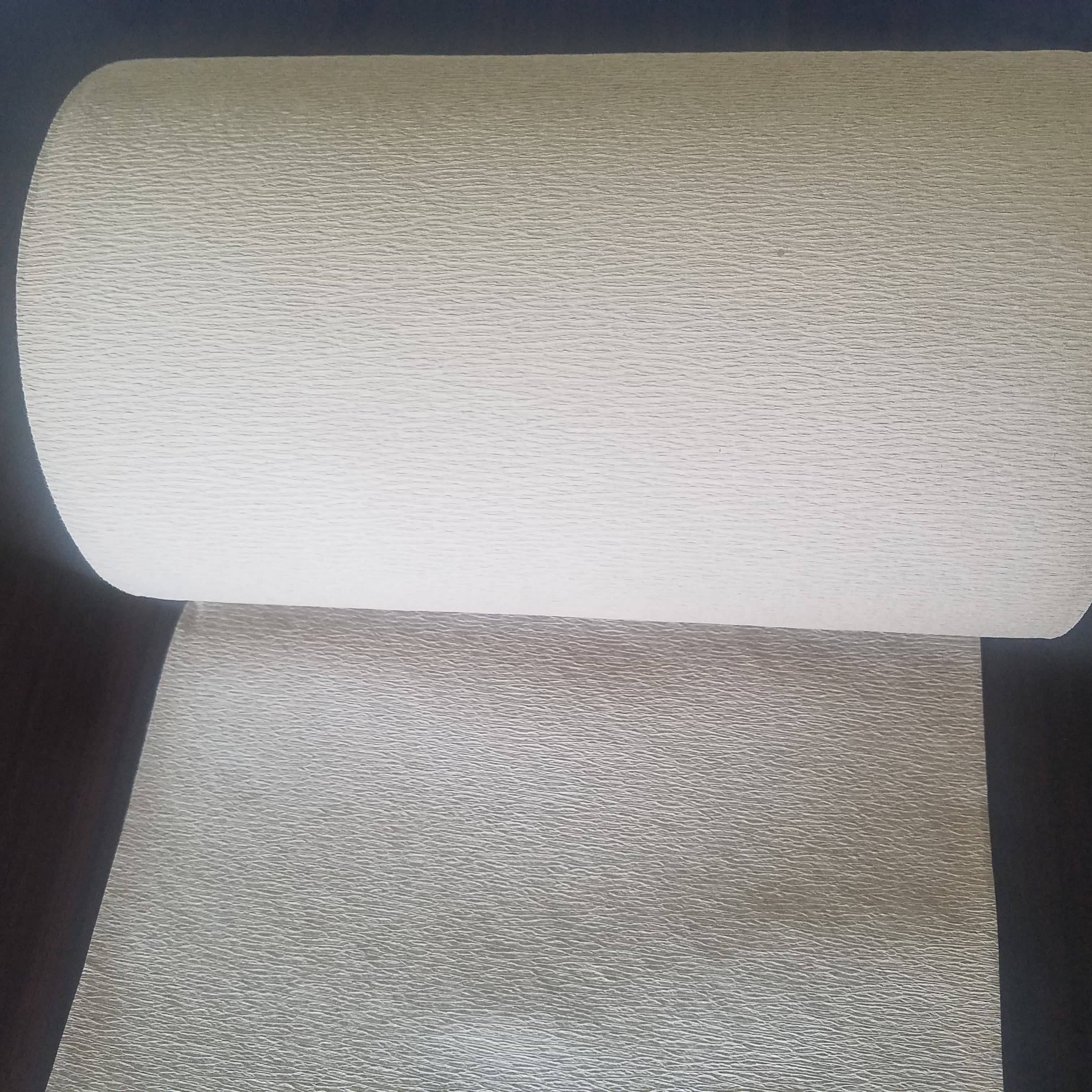
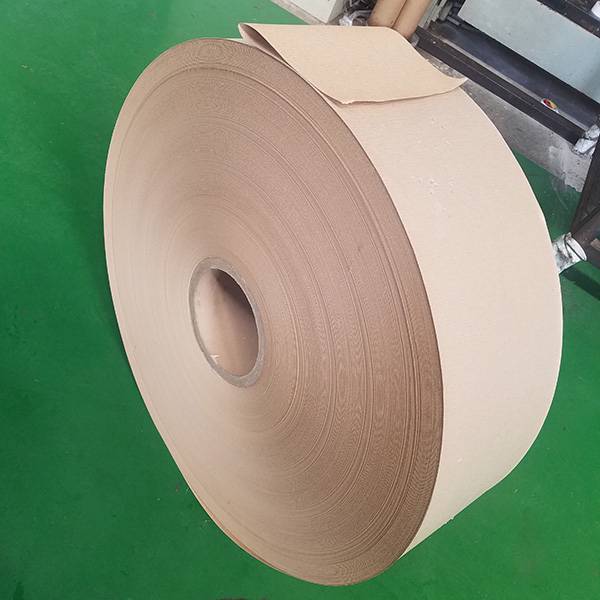
Kraft Paper Thermal Conductivity Service Guarantees Peak Performance
In the competitive landscape of packaging materials, the thermal conductivity of kraft paper plays a pivotal role in ensuring product integrity and performance. As global buyers increasingly prioritize sustainability and efficiency, understanding the properties of kraft paper becomes essential. This natural material not only offers excellent thermal insulation but also contributes to the reduction of energy usage during transport and storage. By choosing kraft paper, businesses can maintain temperature control for sensitive products, reducing spoilage and enhancing overall product quality. Furthermore, the versatility of kraft paper allows it to be tailored to meet specific needs. Various coatings and treatments can enhance its thermal properties, making it suitable for a wide range of applications from food packaging to industrial products. As a result, procurement professionals can confidently select kraft paper solutions that align with their sustainability goals without compromising on performance. Ultimately, the decision to utilize kraft paper in packaging is a strategic move that reflects a commitment to quality and environmental responsibility. By leveraging its superior thermal conductivity, companies can improve operational efficiency and customer satisfaction, setting the stage for long-term success in an evolving market.
Kraft Paper Thermal Conductivity Service Guarantees Peak Performance
| Material Type | Thermal Conductivity (W/m·K) | Thickness (mm) | Usage | Environmental Impact |
|---|---|---|---|---|
| Kraft Paper A | 0.05 | 1.0 | Insulation | Biodegradable |
| Kraft Paper B | 0.07 | 1.5 | Packaging | Recyclable |
| Kraft Paper C | 0.06 | 2.0 | Thermal Wrap | Low Impact |
| Kraft Paper D | 0.04 | 0.8 | Barrier | Compostable |
Related Products
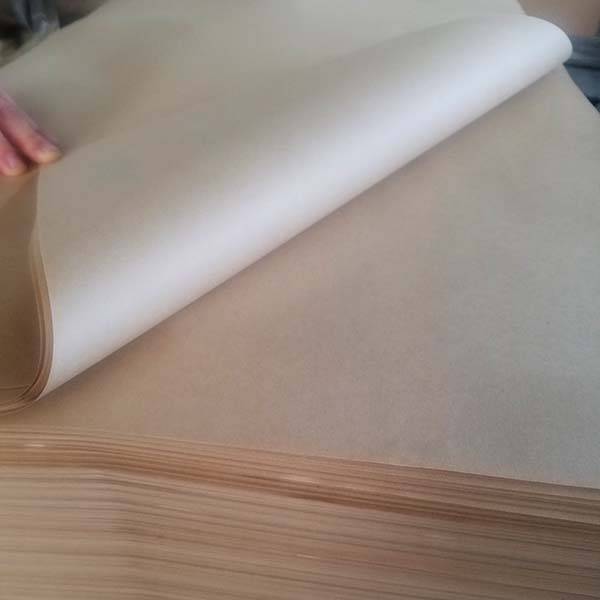
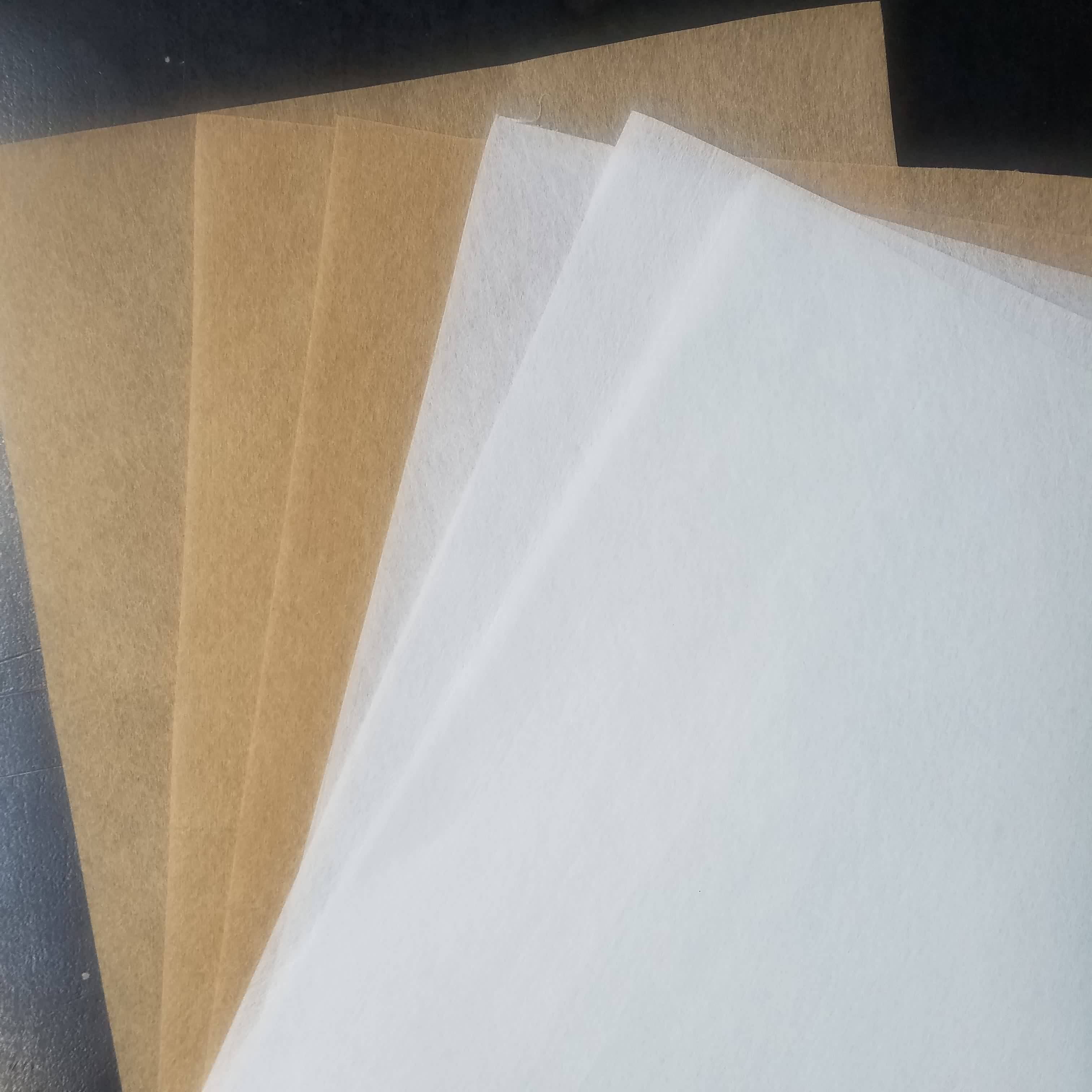
Kraft Paper Thermal Conductivity Factory Guarantees Peak Performance
Top Selling Products
- Related Blog
- Reviews
